
- Jijo George
- 738
-
Gadgets and Devices
Every year’s flagship gadget launches do more than refresh spec sheets. They expose where the consumer tech industry is placing its real bets. The most important releases of the past year make one thing clear: innovation is no longer about raw performance gains. It is about intelligence, efficiency, and ecosystem control.
Below is a technical breakdown of what the latest annual gadget releases reveal about evolving tech priorities.
Recent smartphones, laptops, and wearables are no longer “AI enabled” in a marketing sense. They are architected around on device intelligence. Dedicated neural processing units, low power AI accelerators, and memory optimized for inference are now standard in premium devices.
This shift signals a clear priority: reduce dependence on cloud AI for latency sensitive tasks. Real time translation, image enhancement, health signal analysis, and voice interaction are increasingly processed locally. Annual launches show vendors prioritizing sustained AI throughput per watt over peak CPU or GPU benchmarks.
The implication is long term. Devices are being designed to improve over time through model updates rather than hardware refresh cycles alone.
Flagship releases this year consistently emphasized battery chemistry, power management, and charging speeds. Silicon carbon batteries, adaptive charging algorithms, and high efficiency power delivery chips are now headline features.
This reflects a mature performance curve. Most consumer devices already exceed everyday computing needs. The bottleneck has shifted to endurance and uptime. Annual releases show that extending usable hours and reducing charge anxiety delivers more perceived value than incremental processing gains.
For manufacturers, this also aligns with sustainability goals by reducing replacement cycles and energy waste.
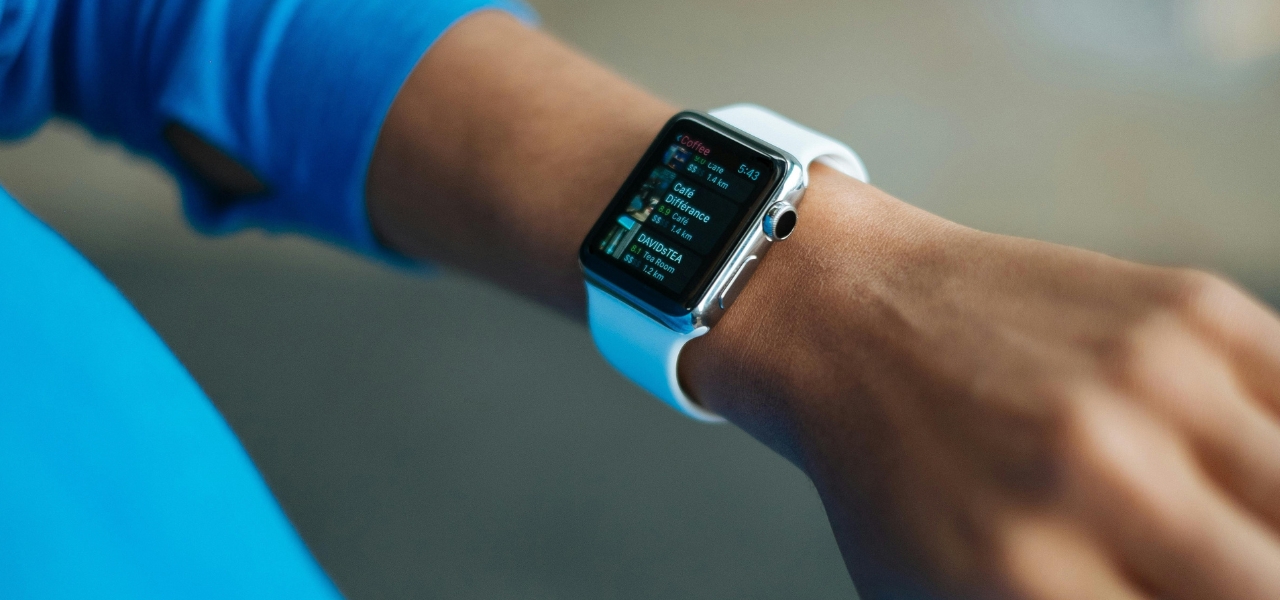
Smartwatches, rings, and health focused wearables launched this year reveal a decisive move toward clinical relevance. New sensors measure skin temperature variance, blood oxygen trends, heart rhythm irregularities, and sleep quality with higher sampling fidelity.
The priority here is trust. Vendors are investing in validated data pipelines, regulatory readiness, and longitudinal health tracking rather than flashy form factors. Annual releases increasingly position wearables as early warning systems rather than fitness motivators.
This signals convergence between consumer electronics and regulated health technology markets.
Top gadget releases consistently reinforced ecosystem lock in. Phones are optimized for seamless pairing with earbuds, laptops, tablets, cars, and smart home hubs. Cross device continuity, shared AI models, and synchronized data layers are now central launch themes.
From a technical standpoint, this requires standardized communication protocols, low latency device discovery, and secure identity management across hardware classes. Annual launches show that vendors view ecosystem depth as a stronger competitive moat than any single device innovation.
Consumers are being sold experiences, not products.
This year’s TVs, monitors, and AR capable displays did not chase extreme resolution increases. Instead, releases focused on brightness efficiency, adaptive refresh rates, eye comfort, and spatial interaction.
Micro LED, advanced OLED tuning, and AI driven display calibration indicate a priority shift toward usability and energy efficiency. The same applies to interaction models. Gesture control, voice first interfaces, and contextual UI responses are gaining prominence over traditional touch centric designs.
This reflects a broader goal of reducing cognitive and physical friction in device use.
Also read: Device-as-a-Service (DaaS) 2.0: Predictive Refresh Cycles and Usage-Based Procurement Models
Annual gadget launches now prioritize intelligence over speed, longevity over power, ecosystems over isolation, and usefulness over novelty. The industry is optimizing for sustained relevance rather than short term excitement.
For buyers, this means fewer dramatic spec leaps but better devices over time. For manufacturers, it marks a transition from hardware driven differentiation to system level engineering discipline.
The real innovation is no longer what devices can do on day one, but how well they adapt, endure, and integrate long after launch.


