
- Jijo George
- 524
-
Gadgets and Devices
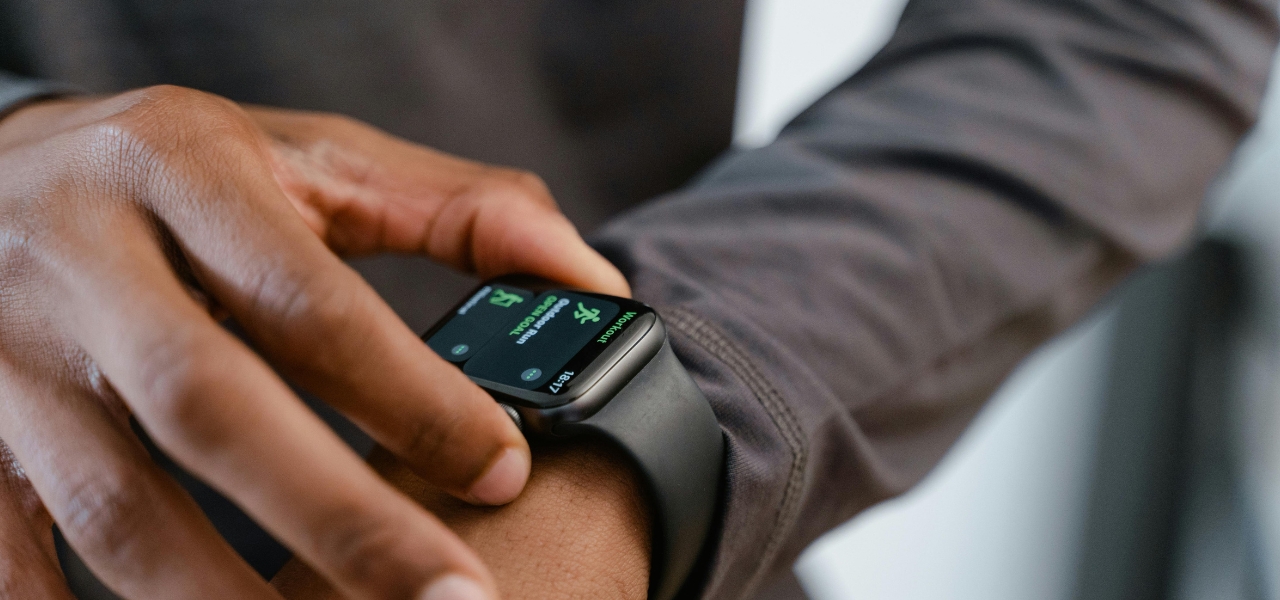
Home health monitoring has moved far beyond step counters and calorie tracking. Today’s devices combine biosensors, edge computing, and machine learning to generate clinical-grade insights from living rooms and bedrooms. Innovative tech gadgets are reshaping how individuals detect risk, manage chronic conditions, and share health data with providers.
The shift is driven by three forces: sensor miniaturization, AI-based signal processing, and secure cloud connectivity. Together, they enable continuous, passive monitoring rather than occasional self-reported data.
Modern wearables now integrate advanced photoplethysmography sensors, ECG electrodes, and skin temperature monitors into compact hardware. Devices such as the Apple Watch Series 9 and Samsung Galaxy Watch 6 deliver heart rhythm notifications, blood oxygen trends, and sleep stage analysis with improved signal fidelity.
What differentiates current devices is algorithm maturity. AI models filter motion artifacts, detect arrhythmias, and flag irregular patterns before symptoms escalate. Instead of raw data, users receive risk-based alerts grounded in longitudinal pattern analysis.
Continuous glucose monitoring systems have also evolved. Products like the Dexcom G7 transmit near real time glucose values to mobile apps, reducing dependency on fingerstick tests. Integration with digital coaching platforms supports adaptive insulin management and dietary decisions.
Innovative tech gadgets are central to remote patient monitoring programs. Healthcare providers increasingly rely on connected blood pressure cuffs, smart scales, and pulse oximeters to manage chronic conditions such as hypertension and heart failure.
The Withings BPM Connect automatically syncs readings to encrypted cloud dashboards. Clinicians can review trend deviations instead of isolated measurements, enabling early intervention. This model reduces hospital readmissions and supports value based care frameworks.
Advanced home ECG systems such as KardiaMobile 6L provide six lead electrocardiograms without clinic visits. When paired with physician review platforms, these gadgets bridge the gap between consumer technology and regulated diagnostics.
Security architecture is equally critical. Devices now implement end to end encryption and multi factor authentication to protect protected health information. Compliance with HIPAA and similar regulatory standards is becoming a baseline requirement rather than a premium feature.
Sleep has become a primary frontier in home health analytics. Non contact radar based monitors track breathing patterns and heart rate variability without requiring wearable devices. Products like the Google Nest Hub use motion sensing technology to analyze sleep cycles while preserving user privacy through on device processing.
For individuals at risk of sleep apnea, connected CPAP systems automatically adjust air pressure based on detected events. This adaptive therapy improves adherence rates and produces actionable compliance reports for clinicians.
Respiratory health monitoring has expanded further with portable spirometers that sync with telehealth platforms. These tools are particularly valuable for patients managing asthma or chronic obstructive pulmonary disease from home.
The true value of home monitoring lies in interoperability. APIs and health data standards allow devices to integrate with electronic health records and digital therapeutics platforms. This ecosystem approach converts fragmented device outputs into unified patient profiles.
Predictive analytics models identify deviations from baseline metrics rather than relying solely on population averages. A subtle increase in resting heart rate combined with declining sleep efficiency may indicate early infection or stress overload. When analyzed continuously, such signals enable preemptive care.
Home health monitoring is transitioning from reactive measurement to predictive risk management. Innovative tech gadgets now support earlier detection, personalized interventions, and seamless clinician collaboration.


