
- Jijo George
- 744
-
Emerging Technologies
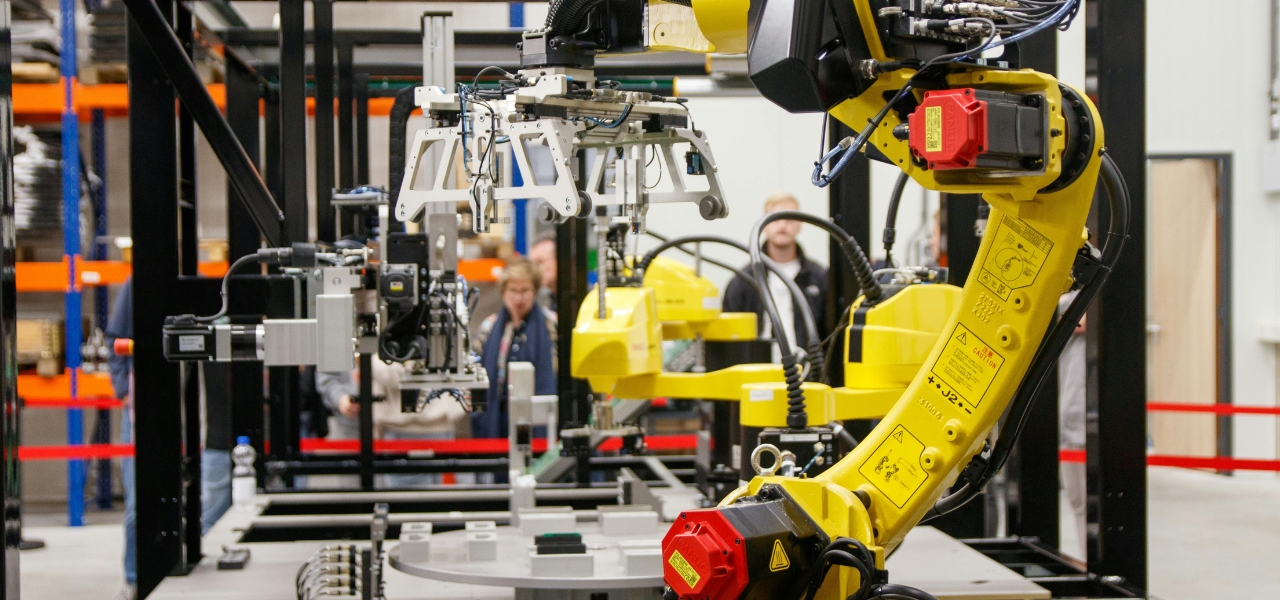
Manufacturing is entering a phase where production systems learn, adapt, and respond with minimal human intervention. Digital transformation once focused on automation within factories. The next wave focuses on intelligence across the entire supply network. Smart manufacturing now connects machines, analytics platforms, and logistics infrastructure into a responsive ecosystem that predicts disruptions and adjusts operations in real time.
Global manufacturers face rising complexity. Volatile demand, geopolitical uncertainty, and tighter sustainability requirements place pressure on production planning and inventory management. Emerging technologies now allow factories and supply chains to operate with greater awareness, speed, and autonomy.
Several technology shifts are reshaping how modern factories operate. These trends focus on intelligence at the machine, system, and network levels.
AI-driven production optimization allows manufacturing systems to analyze machine performance, energy usage, and production schedules simultaneously. Machine learning models identify inefficiencies, recommend adjustments, and predict equipment failures before downtime occurs.
Industrial Internet of Things networks connect sensors, robotics systems, and control platforms across factory floors. These networks generate continuous operational data, which enables real time monitoring of equipment health, quality control, and throughput.
Digital twins replicate physical factories within virtual environments. Engineers test production scenarios, evaluate supply risks, and simulate equipment upgrades before implementing changes on the floor. This reduces experimentation costs while accelerating innovation cycles.
Edge computing also plays a critical role. Processing data near industrial equipment reduces latency and supports time sensitive decisions such as robotics coordination, automated inspection, and predictive maintenance.
Together, these capabilities transform factories into adaptive production environments that respond dynamically to changing demand.
Manufacturing efficiency depends on supply chain performance. Traditional supply chains rely on manual coordination across procurement, warehousing, transportation, and distribution. Emerging technologies are replacing these fragmented processes with autonomous decision systems.
Advanced analytics platforms now forecast demand patterns with far greater accuracy. AI models analyze market signals, weather disruptions, logistics constraints, and supplier capacity to adjust production plans automatically.
Autonomous logistics technologies are also accelerating supply chain responsiveness. Smart warehouses deploy robotics for picking, packing, and inventory movement. Autonomous vehicles and drones support last mile and intra facility transport in certain industrial environments.
Blockchain based supply networks introduce trusted data sharing between manufacturers, suppliers, and logistics partners. Transparent transaction records improve traceability, strengthen compliance, and reduce disputes across global supply ecosystems.
These developments create supply chains capable of sensing disruption, recalculating inventory strategies, and rerouting shipments without manual coordination.
Also read: Emerging Digital Solutions in Supply Chains: Predictive, Adaptive, and Resilient Networks
The success of smart manufacturing and autonomous supply chains depends on unified data architecture. Modern manufacturers are investing in industrial data platforms that integrate operational technology systems with enterprise applications.
These platforms collect and standardize data from machines, ERP systems, logistics providers, and supplier networks. Advanced analytics engines then convert this information into actionable insights for planning, forecasting, and risk management.
Cloud based manufacturing platforms also enable cross plant visibility. Organizations can compare performance metrics across facilities, identify best practices, and scale improvements across global production networks.
Manufacturers that embrace intelligent production and supply chain autonomy gain measurable advantages. They reduce operational downtime, improve production flexibility, and respond faster to market changes.
Future technology trends are pushing manufacturing beyond traditional automation toward fully connected industrial ecosystems. Factories will operate as intelligent nodes within global supply networks that continuously analyze conditions, adapt strategies, and optimize output.


